
My grandmother, Mamie, lived in a hotel on North Tower Avenue in Centralia, Washington after my grandfather died, and my mother and I would go visit her about once a month. Mamie (she refused to be called “Grandma,”) had suffered a traumatic brain injury being thrown from a car on her wedding day, and my grandfather said she’d never been quite the same since. He stayed with her anyway because he loved her.
She was a young woman during the Depression and was frugal and a bit of a hoarder. In her house in Oakville, before she moved, she collected fabric and sewing notions. She’d pour out Mason jars full of buttons onto newspaper and my young cousins and I would delight in sorting through them. In her hotel rooms, she collected books and had tomato plants growing in cut up milk cartons on her window sills.
We went to visit her one day when I was 13 or 14, and she asked us if we’d like some cheese. She pulled out a massive oblong block of cheddar cheese from her refrigerator. Mom and I were astounded because it looked like a six-month supply for my tiny grandmother.
“Where did you get that?” my mother asked.
“It was free. They were handing it out,” my grandmother replied proudly. Mom couldn’t get any more out of her but we deduced the “they” was a local charity.
My grandmother lived frugally in that hotel, as she had all her life, but like a lot of Finnish people in the area, she had money in the bank. She didn’t need free cheese.
My mother asked her to please not take any more cheese because she was taking it away from people who really needed it. Mamie seemed surprised but said, “okay.”
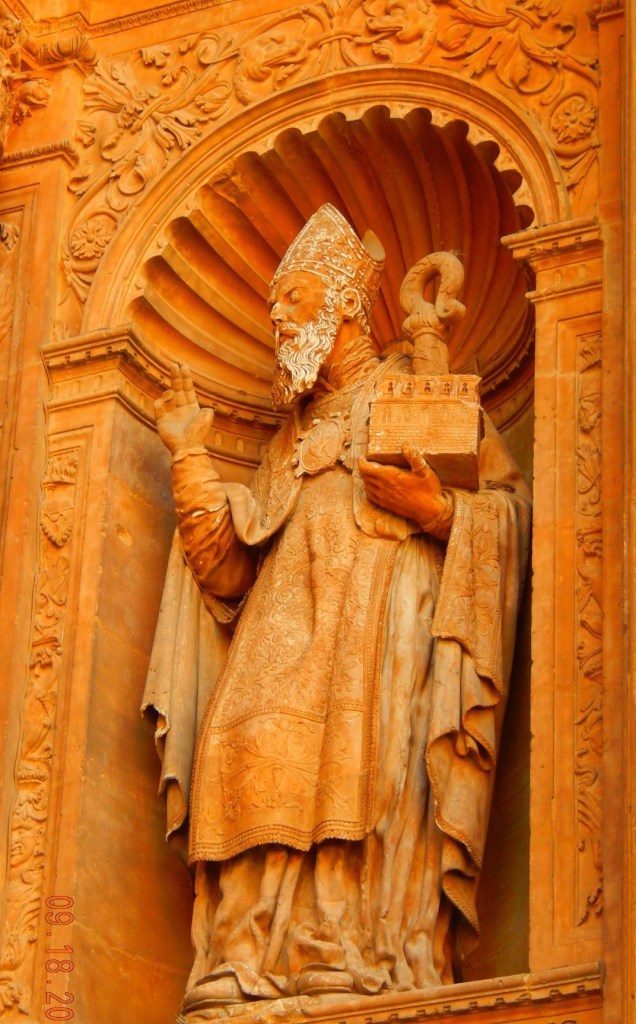
“Without charity the rich man is poor, and with it the poor man is rich.”
From a homily of Saint Augustine
When we were back in the car my mother turned to me and said, “it’s wrong to take from people who have less than you. That’s what your grandmother did by taking that cheese. Somebody could have gotten it who really needed it.”
Her emphatic words left an impression on me, and I’ve been thinking about that free cheese a lot in the past week. I envision myself standing in line for free cheese even though I can afford to pay for it. If I keep looking ahead, maybe I’m okay. But if I turn around I can see the face of the man whose family is hungry. The man with no money. The man who really needs it but won’t get it because he got in line after me.
That man, or woman, or child, is there whether I can see him or not. I see him in my heart.
My mother knew there is no free cheese. In fact, the price is far too high.
Indian Brook Reservoir
Burlington, VT
 The Peasley Perspective